
Sections
- The previous whitewash: Bangladesh at home in October 2024
- Three venues, three results: Gwalior, Delhi, Hyderabad
- Mayank Yadav, Abhishek Sharma and a record total
- The almost-two-year gap before Zimbabwe
- Five series without a clean sweep
- What the Zimbabwe 3-0 changed in July 2026
- Ranking impact and what comes next
Shreyas Iyer's India beat Zimbabwe 3-0 in Harare in July 2026 to record an 11th bilateral T20I series whitewash and end a near-two-year wait for a clean sweep. The previous one came in October 2024, when a 3-0 home victory over Bangladesh took India through Gwalior, Delhi and Hyderabad and gave head coach Gautam Gambhir his first white-ball assignment win on home soil.
Both series are now part of the same recent lineage: a Bangladesh sweep that opened the post-T20 World Cup reset, and a Zimbabwe sweep that closed a stretch in which India won five consecutive bilateral T20I series without quite managing another 3-0. The headline number is the clean sweeps; the longer story is the way those two tours bookended almost twenty months of near-misses.
Below is a reading of the Bangladesh series as it actually played out, why it took until Harare for another whitewash to arrive, and what the July 2026 result changes for India and for the next fixture on the calendar.
The previous whitewash: Bangladesh at home in October 2024
India arrived at the 2024 Bangladesh T20I series without a bilateral T20I series whitewash to their name since the previous calendar year. The three-match contest, played across Gwalior, Delhi and Hyderabad, doubled as Gambhir's first home white-ball series in charge. The opener set the tone: a comfortable run chase that underlined India's batting depth against a side still rebuilding its own T20I core.
The series offered early answers about how Gambhir and the new support staff wanted the side to play. Batting remained deep, with middle-order players given licence to attack from ball one. The bowling group rotated quickly, with the captain leaning on spinners through the middle overs and using seamers in short, sharp bursts at the start and end of the innings. The numbers that mattered were simple: three matches, three wins, no need for a fourth.
That Bangladesh sweep became the reference point for every Indian T20I assignment that followed. Any new series result, win or loss, was measured against the standard it had set. For almost twenty months, no Indian T20I series reached that standard again.
Three venues, three results: Gwalior, Delhi, Hyderabad
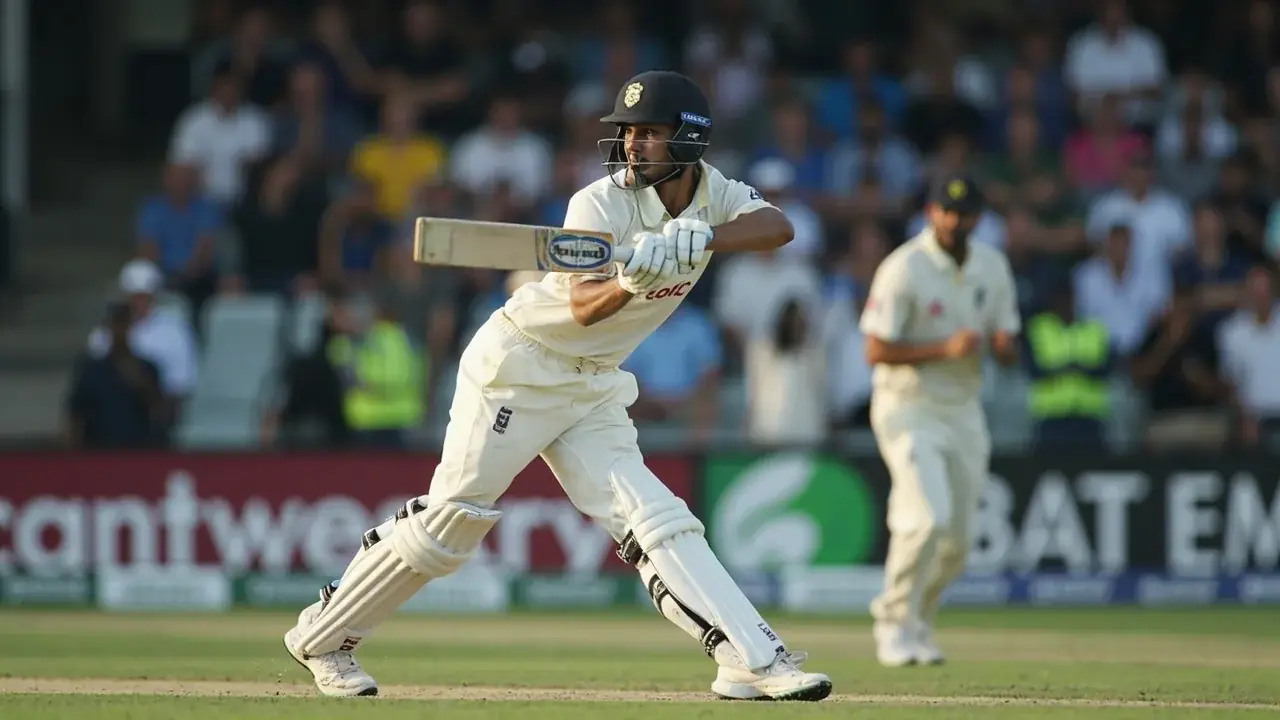
The geography of the Bangladesh whitewash matters because each venue asked a different question of the same XI. Gwalior hosted the opener on a surface that traditionally rewards batting depth and clear short-side hitting. India posted a total the Bangladesh attack could not live with, and the chase stayed on schedule.
Delhi's Arun Jaitley Stadium produced the second match in conditions more familiar to both sides: a slow surface, a quiet crowd in patches, and a requirement to grind rather than bludgeon. The win there came from controlled batting in the middle overs and disciplined death bowling, which is the combination Gambhir has spoken about as the baseline for Indian white-ball cricket. It was the least spectacular of the three wins and, in many ways, the most informative.
Hyderabad closed the series. The defining detail, reported after the contest, was that India posted their highest-ever T20I total in the third match, a statement of batting depth on a flat surface and a clear signal that the new order was not interested in conserving momentum once the series was already won. Bangladesh had no answer, and the chase ended inside the allotted overs.
Three different conditions, three different scripts, and one result on the scoreboard: 3-0. That variety is what separates a whitewash from a one-sided fluke. Each match carried its own tactical question, and India answered each one in turn.
Mayank Yadav, Abhishek Sharma and a record total
The Bangladesh series also functioned as a try-out window. Mayank Yadav made his international debut across the three matches, returning to the white-ball set-up after injury had stalled his earlier entry. His raw pace offered the captain a third high-speed option behind the established seam pair, and his introduction reshaped the powerplay overs in the matches that followed.
Abhishek Sharma featured in his first home T20I series in the same window, batting in the top order and giving the side a left-handed option against both pace and spin. The series was not framed around his debut, but the role he played in it was visible: attacking the powerplay, rotating strike against spin, and offering a different match-up for opposition captains to plan against.
Behind the two debut stories sat a quieter record. India posted their highest-ever T20I total in the Hyderabad finale, a number that immediately reset the conversation about what the batting order could do on a flat surface when the side committed to attack from ball one. The previous high had stood for several years; the new mark was set on a series night that doubled as confirmation of the side's ceiling with the bat.
For Gambhir, the series delivered something more durable than a trophy. He had an answer for every condition the schedule threw at him, a debut pace bowler he could trust in the powerplay, and a top-order option who gave him a left-handed match-up at the top. By the time the side left Hyderabad, the question had shifted from whether the new coaching group could win at home to whether the same XI could carry that form overseas.
The almost-two-year gap before Zimbabwe
The clean sweep in Hyderabad came in October 2024. The next Indian bilateral T20I series whitewash did not arrive until July 2026, when Iyer's side completed a 3-0 result against Zimbabwe in Harare. That gap, just short of two years, is the headline context for the Zimbabwe tour.
Two years in T20I terms is a long cycle. Player careers move quickly, squad rotation is constant, and bilateral series tend to be scheduled in clusters around franchise windows and global tournaments. A gap of twenty months between clean sweeps is not unusual at the top of the format, but it is long enough that the side which completed the Bangladesh sweep and the side which completed the Zimbabwe sweep are not the same starting XI.
The near-misses in between were not losses. India won the next five bilateral T20I series after the Bangladesh whitewash, which is itself a record worth noting. None of those five series, however, finished 3-0 or 2-0 in India's favour. Each one carried at least one defeat, often a close loss, which is enough to deny the clean-sweep count but not enough to question the side's overall direction.
The gap is therefore better read as a measure of how hard it is to win every match of a series than as a slump. T20I cricket, especially at the top of the rankings, is tight enough that a single dropped catch or a single missed over can flip a game. The Bangladesh sweep and the Zimbabwe sweep both stand out precisely because they required India to absorb that variance over three matches in a row.
Five series without a clean sweep
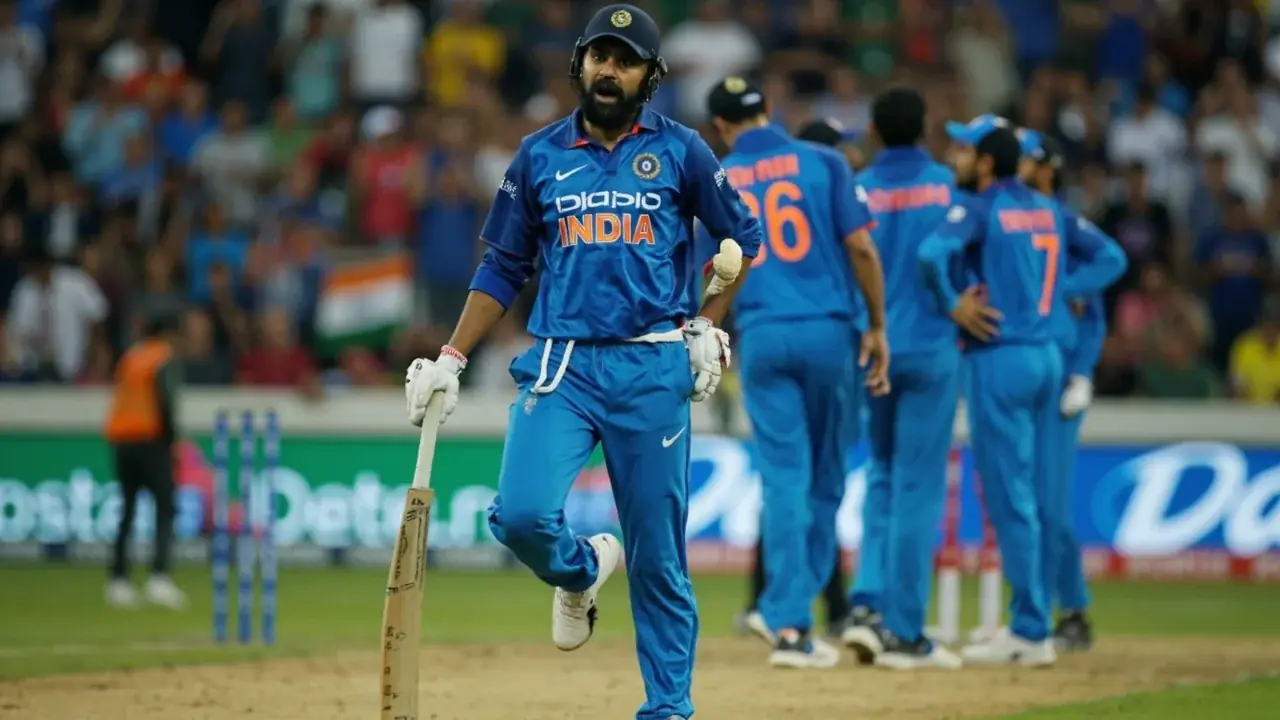
Five bilateral series followed the Bangladesh sweep, and each one finished with a number in the loss column. The losses came in different shapes: a tight chase that fell short by a boundary, a collapse against spin in the middle overs, a high-scoring game the side could not quite defend. None of the five series was a rout against India; all of them denied the side a third white-ball trophy in a row.
Two patterns sit underneath those results. First, India's batting depth made recovery possible in most games, which is why the side kept winning series even when individual matches slipped away. Second, the bowling group was rotated more aggressively across the five series than it had been in Bangladesh, partly because of workload management and partly because of injuries. The rotation kept players fresh for franchise cricket and the global calendar, but it also made the kind of match-up continuity that produces a clean sweep harder to maintain.
The seven-match winless run that preceded the Zimbabwe tour, which took India through Ireland and England, sharpened the picture further. By the time the side arrived in Harare, the absence of a bilateral whitewash since October 2024 had become a small but persistent talking point in the build-up. The opener against Zimbabwe settled that conversation quickly: a comfortable run chase, and a series that already felt like it might run to its full length with India on top.
The 0-4 loss to England that pushed India from No.1 to No.2 in the T20I team rankings added a numerical stake to the gap. A side that does not sweep series does not necessarily fall in the rankings, but a side that loses series can, and the England result was the first time in the cycle that India had slipped on that table.
What the Zimbabwe 3-0 changed in July 2026
The Zimbabwe tour opened with the run chase that settled the tone, then closed with two wins on successive days that confirmed the series. Iyer opened his account as T20I captain across the contest, his first bilateral assignment in the role after taking over the leadership group. His post-match line, that the energy the side delivered in back-to-back games was the kind a captain needs, captured the mood in the camp more precisely than any number on the scorecard.
The result also recalibrated a few records. The 3-0 was India's fourth T20I bilateral series whitewash since 2023, an indication of how regularly the side has dominated series in the format even when the recent gap between clean sweeps has stretched. It was also the 11th whitewash in bilateral T20I series of at least three matches in India's history, a number that places the side in a small group of teams that have sustained dominance in the format across more than a decade of bilateral cricket.
The whitewash returned India to the No.1 spot in the T20I team rankings, reclaiming the position that had been surrendered in the wake of the England series. That, more than the trophy itself, is the operational impact of the Harare result. Rankings feed directly into seeding at the global events and into the draw positions for future ICC tournaments, and the swing between No.2 and No.1 across two months is sharper than the win-loss record alone suggests.
For the players inside the group, the result did something simpler. It ended the winless run that had built through the England and Ireland leg, gave the new captain a series win to begin his tenure, and gave the bowlers a confidence-building stretch of three matches in which plans held for twenty overs at a stretch.
Ranking impact and what comes next
The ranking shift is the most concrete legacy of the Zimbabwe tour. India moved from No.2 back to No.1 in the T20I table, the gap closed inside a single series. That gives the side a cleaner path through the global draw over the next ICC cycle and resets the comparison with the other sides at the top of the format.
The next assignment is already on the calendar. India are scheduled to host West Indies in a five-match home T20I series starting on 6 October 2026 in Lucknow, the first full T20I series of the new home season. Five matches rather than three, which raises the bar for another clean sweep and gives the side a chance to test whether the form that closed the Zimbabwe tour travels into the longer format of a bilateral series.
For readers following the broader cricket brief on ComeNowSports, the Bangladesh and Zimbabwe tours sit as bookends of a single cycle rather than as two separate stories. The October 2024 sweep reset the side after the previous T20 World Cup; the July 2026 sweep reset the rankings after the England defeat. The 3-0 line on the scoreboard is the same in both cases, and the practical question is whether the home stretch against West Indies in October can extend the pattern. Further sports news from the desk will track the squad announcement and the early fixtures of that series as the dates approach.
Editor's note on sourcing
This retrospective is built on the verified record described in Sportskeeda's 27 July 2026 piece by Gokul Nair covering India's 3-0 T20I series win over Zimbabwe in Harare, including the dates, venues, captaincy quotes and historical figures cited above. The article references the Bangladesh series and the wider T20I bilateral record as set out in that report; ComeNowSports has not independently re-verified the underlying numerical record beyond the public detail published in the source.