Sections
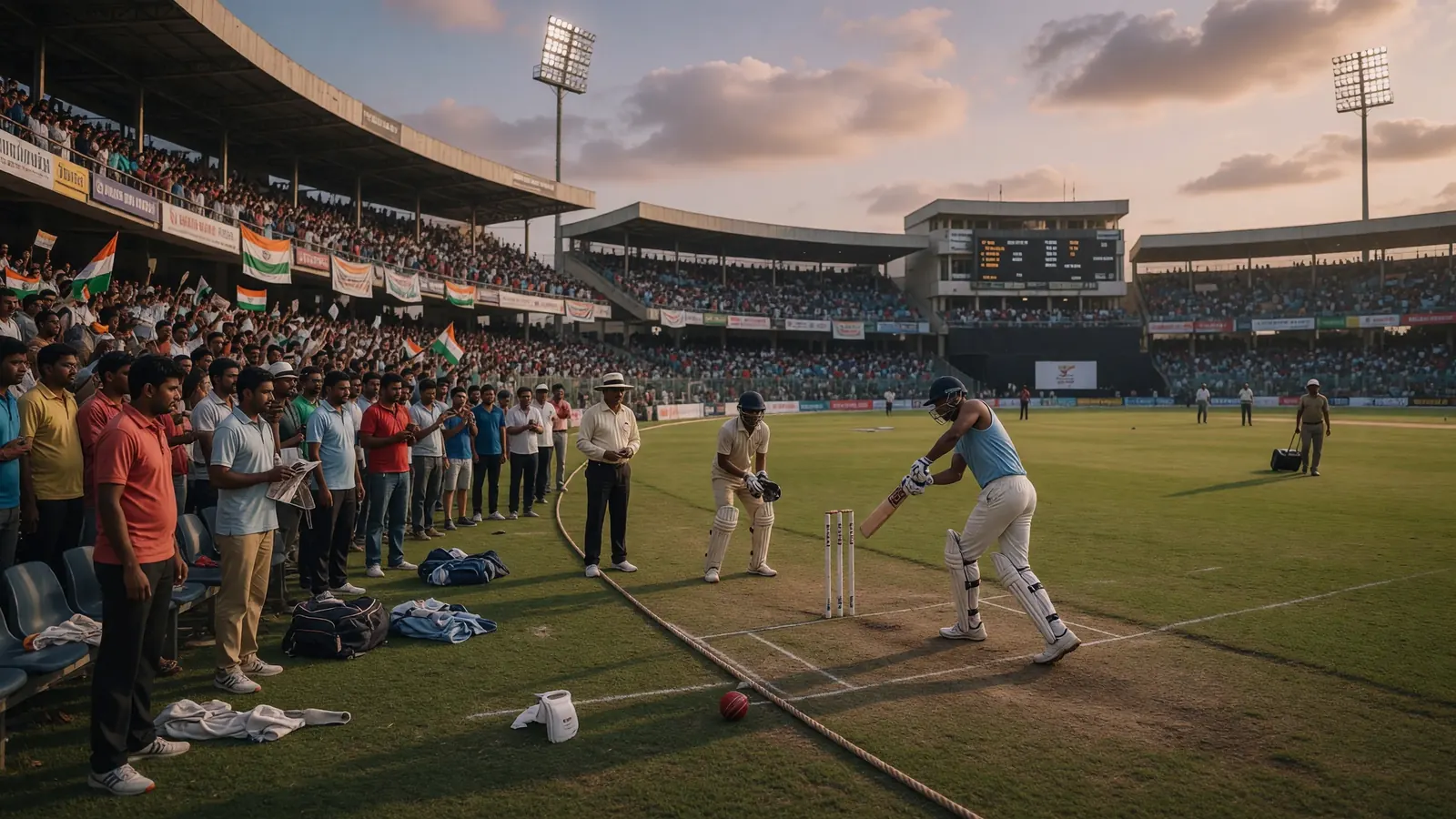
The Board of Control for Cricket in India has rewritten key domestic playing conditions for the 2026-27 season, placing a heavier penalty on deliberate illegal deliveries and tightening several fielding and umpiring standards that decide close days of cricket. The package was announced on Tuesday and takes effect from 1 August 2026, weeks before the Duleep Trophy opens the first-class calendar.
According to reporting by mint (livemint.com) and a detail attributed there to Cricinfo, the board's aim is clearer discipline, closer alignment with the latest Marylebone Cricket Club Laws, and more consistent white-ball adjudication across state competitions. For captains, coaches and match referees, the practical shift is simple: several offences that once cost an innings now cost the entire match, and several grey areas around overthrows and keeper movement have been narrowed on paper.
Below is a plain-language reading of the confirmed changes, the dates that matter, and the on-field situations most likely to test them once the season begins.
What the board announced
BCCI's revised domestic conditions sit under two clocks. The board's own package becomes active on 1 August 2026. The latest edition of the MCC Laws of Cricket becomes active globally on 1 October. That staggered timing means India's first month of the domestic season will already be playing under the board's stricter local framework, while full MCC alignment lands two months later.
The public list of changes covers deliberate no-balls, intentional dangerous full tosses above waist height, continuity of the scheduled last over of the day, wicketkeeper positioning at the moment the ball comes into play, a tighter definition of an overthrow, and additional crease guideline markings for wide decisions in white-ball domestic cricket.
None of these items rewrites the structure of the Ranji Trophy, Vijay Hazare Trophy or Syed Mushtaq Ali Trophy. They change how individual overs and dismissals are managed when umpires judge intent, safety or positioning. That is why the package will be felt most sharply by fast bowlers, keepers and third umpires rather than by selectors drawing squads.
Bowler sanctions that now last a full match
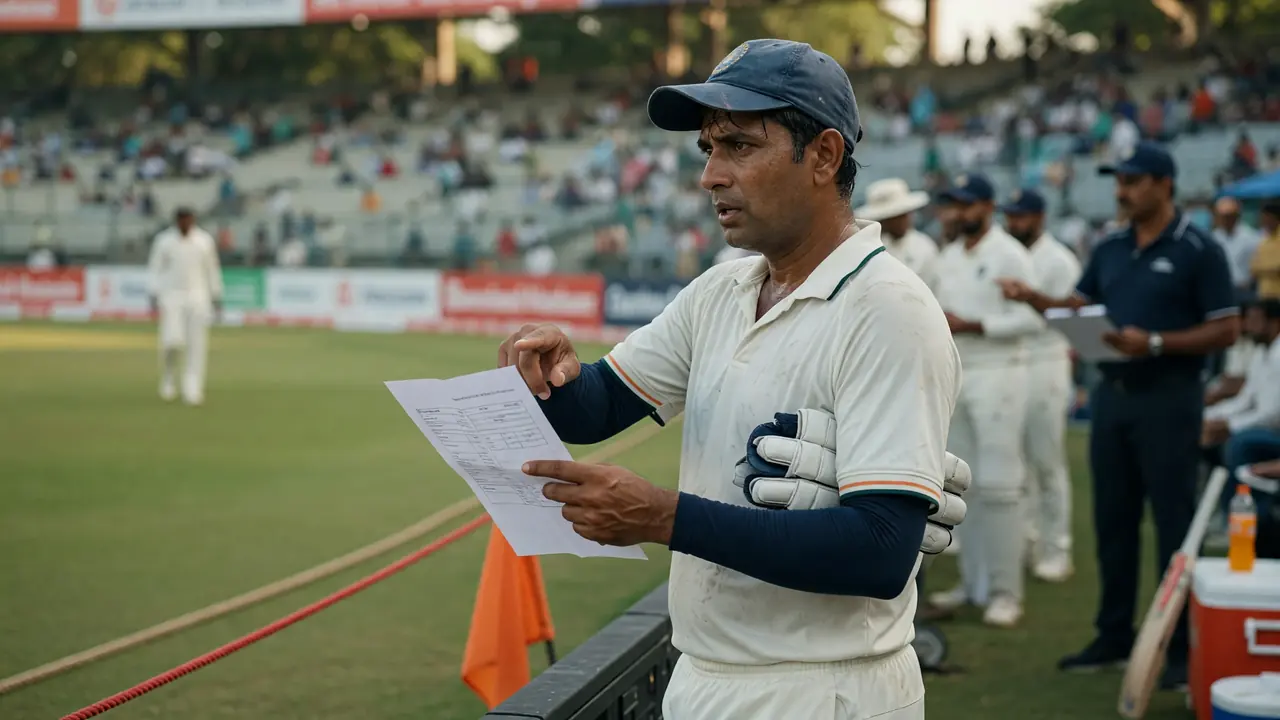
The headline change is the length of the suspension attached to a deliberate no-ball. Under the previous domestic playing conditions, a bowler judged to have delivered a deliberate no-ball was removed for the rest of that innings. Under the new conditions, the suspension covers the remainder of the match. A front-foot or unfair delivery called as deliberate therefore ends the bowler's participation for that fixture, not merely for one batting side's turn.
The same match-long standard now applies when match officials decide a bowler has intentionally sent down a dangerous full toss above the batter's waist — the delivery commonly called a beamer when it arrives without bounce. Safety language in the board's framing is explicit: intentional dangerous full tosses are treated as a serious breach rather than a routine free-hit or warning sequence.
Two practical notes follow for coaches. First, intent remains an on-field judgement. Umpires still have to separate an accidental overstep or a mistimed slower ball that floats above the waist from a deliberate act. The penalty only escalates when officials make that intent finding. Second, captains lose a specialist for the rest of a multi-day game if the call goes against them mid-match. In a four-day Ranji fixture, that can mean missing both first-innings bowling and a second-innings bowling load, which is a far steeper cost than sitting out the rest of a single innings.
State bowling coaches will almost certainly restate front-foot drills and beamer-safety checks in pre-season camps. Young quicks who already walk a fine line on the popping crease will be told that a deliberate no-ball is no longer a one-innings problem. Older seamers who use the bouncer-beamer mix as a shock tactic will need a cleaner release under match pressure, because the upside of an intimidatory full toss collapses if the umpires read intent.
When a wicket falls in the final over
Domestic days often turn on light, overs remaining and whether a batting side can survive until stumps. The previous practice allowed play to end soon after a wicket in the scheduled last over of the day. The revised conditions reverse that habit: if a wicket falls in that scheduled final over, the over must continue until all six legal deliveries have been completed.
That single sentence changes evening tactics. A captain who once hoped a breakthrough would end the day and protect a new batter until morning can no longer bank on that stoppage. The incoming batter must face the remaining balls. Bowling sides retain the chance to claim a second wicket in the same over. Batting sides must prepare nightwatchman or promotion plans knowing the over will not be truncated by the fall of a wicket alone.
Umpires also gain a cleaner end-of-day script. Instead of negotiating whether enough time remains after a dismissal, they complete the legal deliveries in the over already designated as the last. Weather interruptions and bad light can still intervene, but the playing condition itself no longer treats a wicket as an automatic curtain on the day.
Wicketkeeper stance and the new overthrow line
Two fielding-side clarifications sit beside the bowling sanctions. The first concerns the wicketkeeper. Keepers must remain completely behind the stumps when the ball comes into play. They may move in front only after the ball has passed the wicket, touched the batter or bat, or the batter attempts a run. A breach that disadvantages the striker can be called a no-ball. The rule is designed to stop keepers from creeping up early and crowding the batter's sight or the line of the ball before it is legally in play at the striker's end.
In practice, that will be watched closely in white-ball games where keepers stand up to the stumps to spinners and medium pacers. Standing up remains legal; moving ahead of the stumps too early does not. Keepers who traditionally walk a step toward the batter as the bowler loads will need a stricter habit of waiting for the ball's passage or contact before advancing.
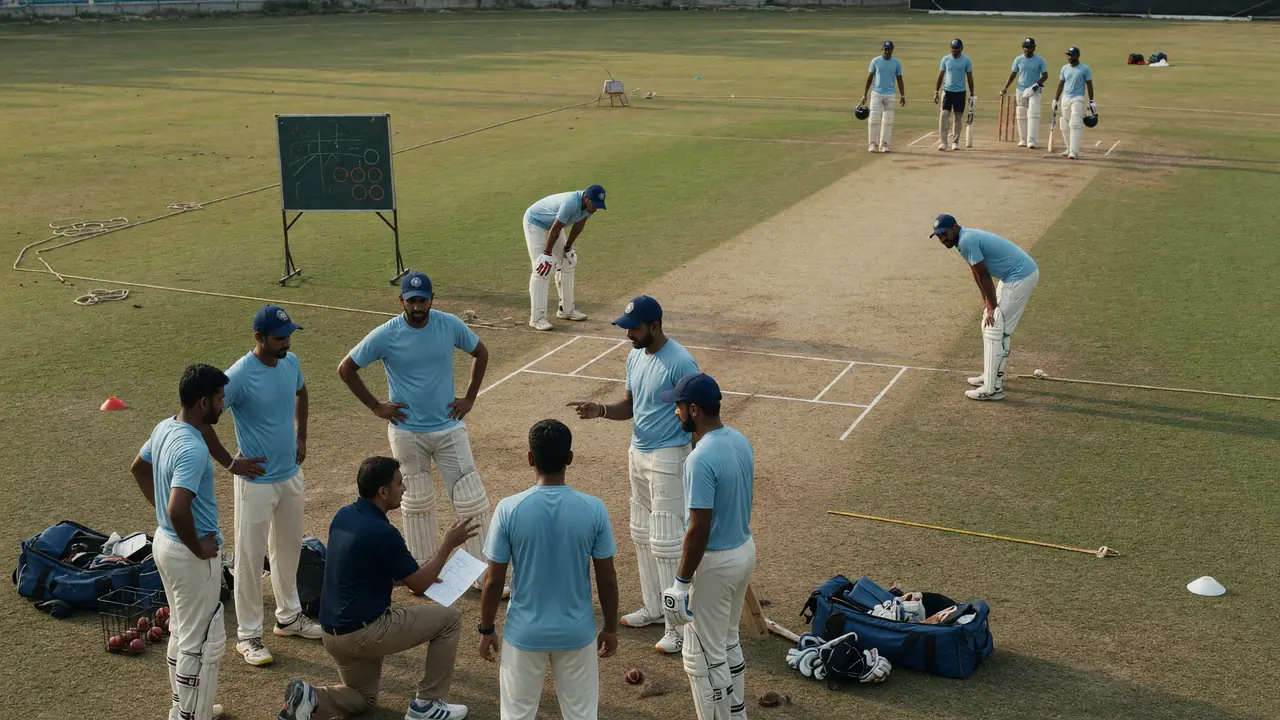
The second clarification redefines an overthrow. Only a throw made to break the stumps, effect a run-out, or prevent runs now counts as an overthrow. Ordinary misfields and failed returns between fielders fall outside that label. The distinction matters for how many runs are added when the ball deflects off a fielder or the stumps after a chaotic return. By narrowing the definition, the board reduces the chance that a simple fumble between mid-on and the bowler is scored as if it were an active attempt on the stumps.
Scorers and third umpires will need a shared reading of that line from day one. Captains already argue over overthrow awards in tight chases; a sharper definition should shorten those arguments when the throw was never aimed at the stumps or never intended to stop a run.
White-ball crease marks for wide calls
White-ball domestic matches will carry extra crease and wide guideline markings on both sides of the pitch. The additional lines are there to help umpires judge whether a delivery has passed outside the batter's reach in a more consistent way across venues and panels.
Wide interpretation has long varied between standing umpires, especially when batters switch stance, walk across the stumps, or reverse-sweep. Visible guidelines do not remove judgement, but they give a common reference that travelling sides can see as clearly as the home umpire. For openers who live on the tramlines and for spinners who bowl wide of off stump as a plan, the marks will become part of the pre-match pitch walk as routinely as the length of the square boundaries.
The board's published rationale is consistency rather than a change in the legal width itself. Expect early-season conversations between captains and match referees about how strictly each panel treats a batter who has shuffled a long way outside off stump before the ball is released. The paint on the turf is the tool; the application will still be tested in the first Vijay Hazare and Mushtaq Ali rounds.
Effective dates and the domestic calendar
Two dates frame the rollout. Revised BCCI playing conditions apply from 1 August 2026. The latest MCC Laws take effect from 1 October. The 2026-27 Indian domestic season begins with the Duleep Trophy from 23 August, so the multi-day curtain-raiser will already be contested under the board's August package.
That sequence gives associations a short window between the announcement and the first competitive ball. Pre-season matches, net sessions with local umpires, and captains' meetings will need to include the match-long sanctions and the last-over continuity rule, not only squad fitness and pitches. Associations that host early Duleep games will also need grounds staff ready for white-ball guideline marks once the limited-overs leg of the calendar arrives later in the season.
For readers following the broader cricket brief on ComeNowSports, the domestic rule change sits beside international scheduling and franchise windows rather than replacing them. The board has not, in the material reported, altered overseas player rules, points structures, or the order of the major trophies. The story is playing conditions, not a redraw of the competition map. Further sports news from the desk will track how the first Duleep round applies the new sanctions in real time.
How state sides are likely to adapt
State setups tend to absorb playing-condition changes in three places: the bowling plan, the end-of-day batting order, and the keeper's technical checklist.
Bowling plans will stress legal landing and a hard ban on intentional waist-high full tosses. Video analysis rooms already clip front-foot landings; those clips will now carry a match-elimination warning in the coach's voiceover. Teams that rotate four quicks across a Ranji game may keep an extra seam option on the bench for longer, knowing a single intent call can remove a strike bowler for the rest of the fixture.
End-of-day batting orders will be redrawn around the guarantee that the last over continues after a wicket. A nightwatchman who previously walked out hoping to face one or two balls before stumps may now face a longer examination. Conversely, a set batter dismissed in that over leaves a partner exposed for the remaining deliveries without the old hope of an early finish. Coaches who script the final six balls of a day as a survival drill will rewrite that script as a full over that must be completed.
Keepers will rehearse the "behind the stumps until" sequence until it is automatic. The no-ball risk for disadvantaging the striker is enough to make early creeping a costly habit. Throw-downs in the nets will include the new overthrow definition so fielders understand which deflections still add extras and which simple misfields do not.
None of this requires speculation about player names or unconfirmed disciplinary cases. The board has published a framework; associations will implement it. Early controversy, if it comes, will almost certainly involve an intent call on a no-ball or beamer in a tight Ranji match, or a keeper no-ball in a white-ball chase where margins are already thin.
What to watch next
The first competitive stress test is dated. The Duleep Trophy begins on 23 August 2026, under playing conditions that will already have been live for more than three weeks. Watch whether match referees issue public clarifications after the opening round, and whether any bowler is removed for the remainder of a match under the deliberate no-ball or intentional beamer clauses.
The second checkpoint is 1 October, when the latest MCC Laws take effect and complete the alignment window the board has described. Between those dates, white-ball guideline markings will start appearing as limited-overs domestic cricket comes onto the schedule, giving umpires and batters a shared visual reference for wide decisions.
Until then, the confirmed facts are narrow and concrete: BCCI announced the package on Tuesday; match-long suspensions apply to deliberate no-balls and intentional dangerous beamers; the scheduled last over of the day continues after a wicket; keepers must stay behind the stumps until the ball has passed, been played, or a run is attempted; overthrows are limited to throws aimed at the stumps, run-outs or preventing runs; white-ball matches gain extra wide guidelines; the board's conditions start on 1 August 2026; and the domestic season opens with the Duleep Trophy on 23 August.
Editor's note on sourcing
This report is based on the BCCI domestic playing-condition changes described in mint (livemint.com) on 22 July 2026, including the deliberate no-ball detail attributed there to Cricinfo. ComeNowSports has not independently obtained a separate full text of the board circular beyond those reported points. Corrections will be issued if an official circular later clarifies any clause.