Sections
- The injury and the timing
- A knee complaint that has run through the year
- Ghavri: a year off, or he is not picked
- Why Mohammed Shami keeps coming up
- Bhuvneshwar's RCB season and the case for a recall
- Kulkarni's rotation plan: Tests only, Shami–Siraj share the rest
- What the selectors now have to decide
- What to watch next
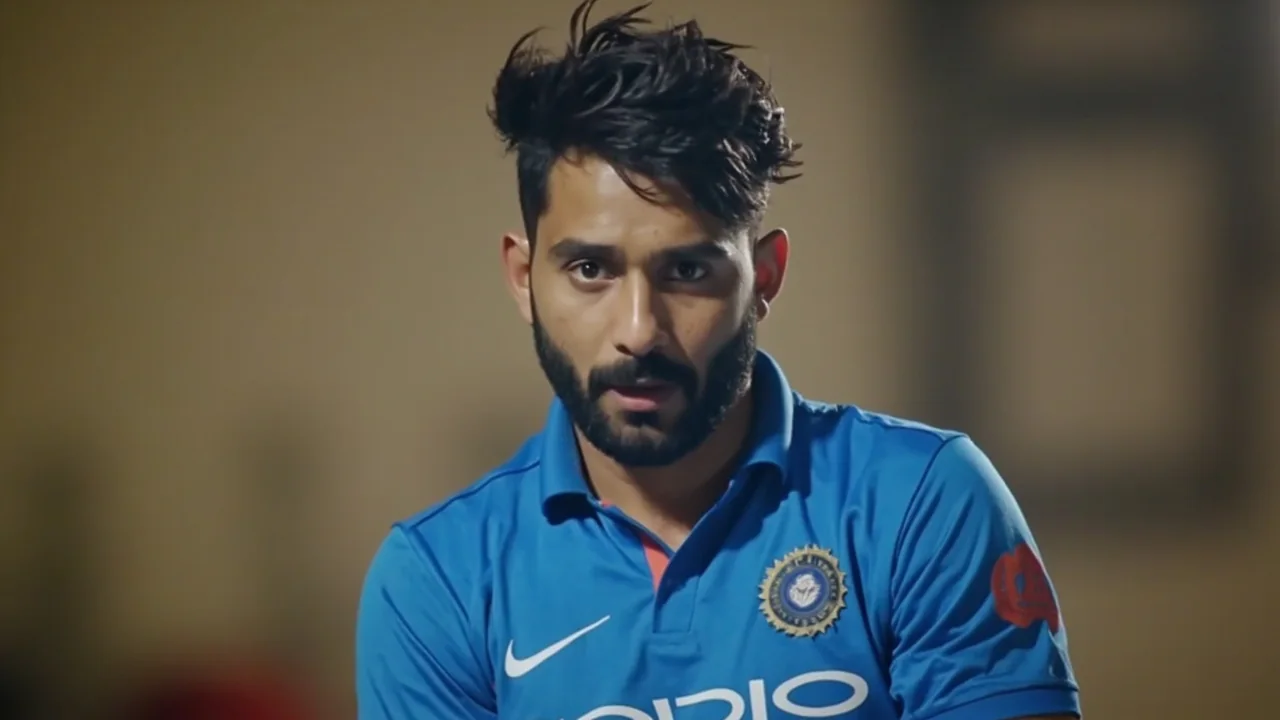
Jasprit Bumrah has been ruled out of India's upcoming two-Test series in Sri Lanka with a knee injury he picked up during the second ODI against England, and he missed the series finale as a result. The BCCI's Centre of Excellence initially expected him to recover in time for the Tests beginning next week, but the injury proved more serious than first assessed, and the call to rule him out came from the medical staff rather than the selectors.
The news has reopened an argument inside Indian cricket that has run through the year: whether Bumrah, the country's most valuable pace bowler across formats, can be selected tour after tour without a clean reset on his workload. Two former India fast bowlers, Karsan Ghavri and Raju Kulkarni, have used the moment to push the case publicly, both urging selectors to give him an extended break and to recall Mohammed Shami and Bhuvneshwar Kumar for the work he would otherwise be doing.
Below is what is confirmed, where the medical staff and selectors stand, the two strongest calls from the former pacers, and the practical question the squad announcement for the Sri Lanka Tests has to answer.
The injury and the timing
Bumrah felt the knee during the second ODI against England and played no further part in that match. He was rested for the series finale, the standard precaution when a fast bowler reports a soft-tissue complaint in the middle of a tour, and the initial read from the Indian camp was that the issue was minor. The BCCI's medical team at the Centre of Excellence monitored him through the back end of the ODI series and the recovery window before the Tests.
The first assessment was that he would be available for the opening Test in Sri Lanka. That read was revised after further scans late in the week, and the decision to rule him out came once it was clear the knee had not settled. The selectors have not named a replacement yet, and the squad announcement is expected once the medical report is formally filed with the board.
The Sri Lanka series is short — two Tests, both scheduled to begin inside the next fortnight — but it sits in the middle of an otherwise packed calendar for Indian cricket. The Asia Cup window opens shortly afterwards, and the home Test summer against the West Indies follows that. Any decision taken on Bumrah's fitness now shapes the workload plan for the rest of the year.
A knee complaint that has run through the year
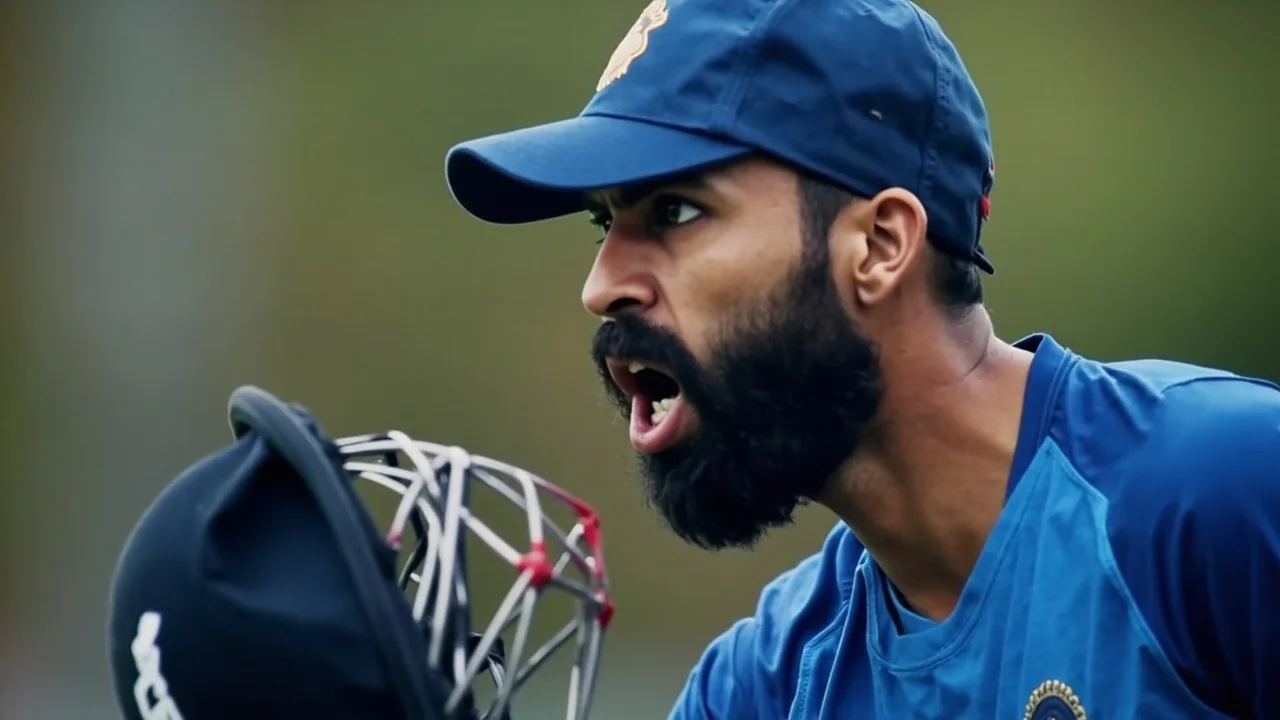
The knee is not a new problem for Bumrah. He reported discomfort after the T20 World Cup earlier in 2026 and checked into the Centre of Excellence for a short rehab block, then returned to play a full IPL season with Mumbai Indians. That sequence — major tournament, short rehab, full franchise season — is the workload pattern that the two former pacers have pointed to as the root of the current complaint.
What has changed in 2026 is the volume. The IPL is a longer tournament than it used to be, the schedule gives less recovery time between the league stage and the playoffs, and the international calendar stacks white-ball and red-ball assignments closely around it. Bumrah has been available for most of that window, which means his body has carried the load across formats without a meaningful reset.
The argument from Ghavri and Kulkarni is that the current setback is not a one-off; it is the cumulative cost of running Bumrah through every assignment. The two former pacers read the latest ruling-out as confirmation of the pattern rather than a fresh incident. That is the framing behind their public comments, and it is the framing the selectors now have to weigh against their own medical advice.
Ghavri: a year off, or he is not picked
Karsan Ghavri's recommendation, reported this week, is the bluntest of the three calls: Bumrah should take a five-to-six-month break at minimum, or a year-long break if the medical team thinks it is needed, and the selectors should not pick him if they cannot guarantee that his workload can be managed through an entire tournament.
Ghavri's argument is straightforward. A fast bowler who is half-fit cannot deliver the lengths and speeds that define his role, and a half-fit Bumrah in the side is, in his view, worse than no Bumrah at all. The alternative, in his reading, is to accept that the bowler plays only when he is fully recovered and that the rest of the workload is carried by other quicks in the squad.
He has used the moment to push two specific recalls. Mohammed Shami, he argues, has stayed injury-free and consistent through the IPL and deserves another look from the selectors, and Bhuvneshwar Kumar, who last played for India in 2022, has done enough in the current IPL cycle with Royal Challengers Bengaluru to be back in the conversation. Both names come with an explicit ask: give them the new-ball work that Bumrah would otherwise carry.
Why Mohammed Shami keeps coming up
Shami's last India appearance was the 2025 Champions Trophy, his only international outing since the 2023 ODI World Cup, which makes his absence from the white-ball squads that followed a long one by his standards. Through that window he has stayed available for domestic cricket, taken wickets at a consistent strike rate in the Ranji Trophy, and reported no soft-tissue issues that would keep the selectors cautious.
The case for recalling Shami rests on three points that Ghavri and other former cricketers have made repeatedly. First, his skill set remains specific: he can bowl with the new ball and at the death, and he offers a left-right angle with the other seamers if the captain wants to use it. Second, his recent domestic numbers are not the numbers of a bowler in decline. Third, the current fast-bowling group, with Bumrah injured, looks short of a third experienced option behind Mohammed Siraj.
The counter-argument from the selectors, when they have made one in public, has been workload management rather than form. Shami's body, like Bumrah's, has carried heavy spells over a long career, and the medical staff have been cautious about bringing him back for tours that ask for five Tests in a row. The Sri Lanka tour, with only two Tests, changes that calculation, and that is the practical reason Shami's name is back in the frame this week.
Bhuvneshwar's RCB season and the case for a recall
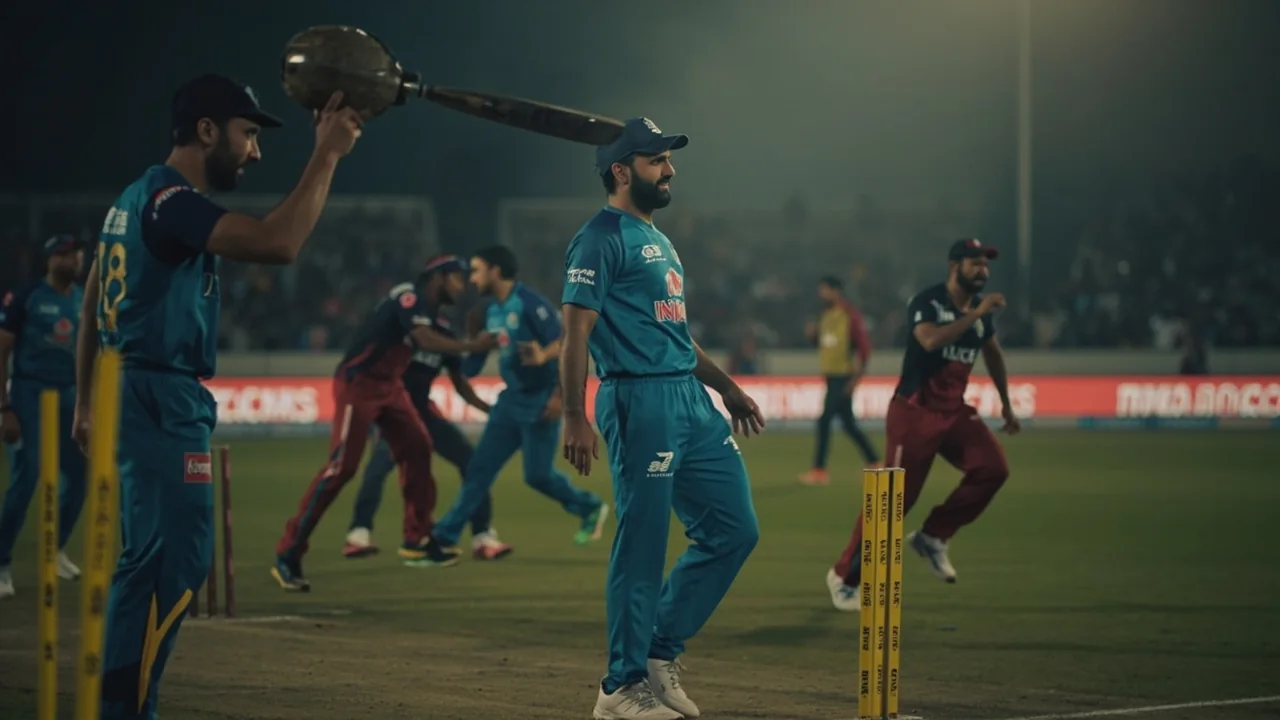
Bhuvneshwar Kumar last played for India in 2022. He is older now, his pace has come down a click, and his role has narrowed, but his swing in the powerplay overs is the skill the Indian white-ball side has been missing in patches through the last two seasons. His IPL form for Royal Challengers Bengaluru in 2026 has revived the comeback calls, and Ravichandran Ashwin has publicly supported a recall on the back of that form.
What makes Bhuvneshwar's case different from Shami's is the format. Bhuvneshwar, at this stage of his career, is a T20 option first and a red-ball option a distant second. The Sri Lanka series is red-ball, so a Bhuvneshwar recall for the Tests themselves is unlikely on form, but Kulkarni's plan, set out below, makes room for him in the white-ball slots that follow.
The wider point the two former pacers are making is that the pace group, as it stands, has not been tested across formats without Bumrah, and that the next two months are the right window to do that testing. A Bhuvneshwar recall in T20Is after the Asia Cup would not be a sentimental pick; it would be a measured one, based on a skill that has held up through a competitive IPL season.
Kulkarni's rotation plan: Tests only, Shami–Siraj share the rest
Raju Kulkarni has set out a more detailed plan than Ghavri's, and the headline of it is rotation. Kulkarni would play Bumrah only in Tests, use Bhuvneshwar in T20Is, and split the ODI workload between Mohammed Shami and Mohammed Siraj. The net effect is that Bumrah's white-ball load disappears for the rest of the calendar, his Test load stays, and the other quicks absorb the formats that the captain currently asks Bumrah to lead.
Kulkarni's argument for the rotation is partly medical and partly tactical. The medical half is that Bumrah's body has not held up to the white-ball volume, and a clean format split gives the knee a longer recovery window between tours. The tactical half is that India are deep enough in fast-bowling talent to absorb the redistribution without losing results, which is a stronger claim than it would have been a few years ago.
Where the two former pacers agree is on the immediate question. Both think Bumrah should not be rushed back for the Asia Cup, both think he should be held back for the home Test summer against West Indies if he is selected at all, and both think the selectors should name Shami in the squad for Sri Lanka as the first concrete step.
What the selectors now have to decide
The squad for the Sri Lanka Tests has to be named inside the next few days, and three questions sit on the table. The first is who replaces Bumrah in the XI. The second is whether the selectors take the chance to blood a younger quick on the Sri Lanka pitches, which traditionally help spinners in the second innings and reward accuracy with the new ball. The third is whether Shami's name goes on the team sheet.
On the first question, the safe answer is Mohammed Siraj plus a third seam option from the existing pool. The interesting answer is whether the selectors reach for an all-format option in Shami or stick with what they have. Ghavri's framing would push them toward Shami; the selectors' recent public framing has been that Shami needs to be managed carefully even on short tours.
On the second question, the squad announcement is a chance to look at one of the younger seamers who has been waiting in the domestic queue. Whether the selectors take it depends on whether they read the Sri Lanka tour as a developmental opportunity or as a results-only assignment. The two former pacers have, between them, made the case for treating it as both.
What to watch next
Three concrete dates are worth circling. The squad announcement for the two-Test series in Sri Lanka is expected in the next 48 hours, the first ball of the opening Test follows that, and the Asia Cup squad is to be named shortly after the Sri Lanka tour ends. The form of those three announcements, taken together, will show whether the selectors have absorbed Ghavri and Kulkarni's public argument or have stayed with the workload plan that has run through the year.
The medical update on Bumrah's knee is the other thread to follow. The Centre of Excellence has a record of being more conservative than the public read suggests, and a longer rehab block, even if it costs the Asia Cup window, would line him up for the home Test summer, which is where India need him most. The Test summer against West Indies is the assignment where a fully fit Bumrah is the difference between a competitive draw and a series win.
For readers following the rest of the cricket brief on ComeNowSports, the next steps are the squad announcement, the Asia Cup squad decisions, and the first morning of the opening Test in Sri Lanka. Further cricket coverage from the desk will track each of those as they land.
Editor's note on sourcing
This article is built on the verified reporting set out in Hindustan Times' 5 August 2026 piece on Jasprit Bumrah's knee injury and the public comments from former India pacers Karsan Ghavri and Raju Kulkarni. The medical timing, the ODI series context, the workload history and the named recall positions are drawn from that report; ComeNowSports has not independently re-verified the underlying medical detail beyond the public statement released by the BCCI and the named comments attributed to the two former cricketers in the source.